Root removal from sewer lines
Tree roots are the number one cause of sewer line damage in Rochester. We cut them out and bring back full flow.
How roots get in
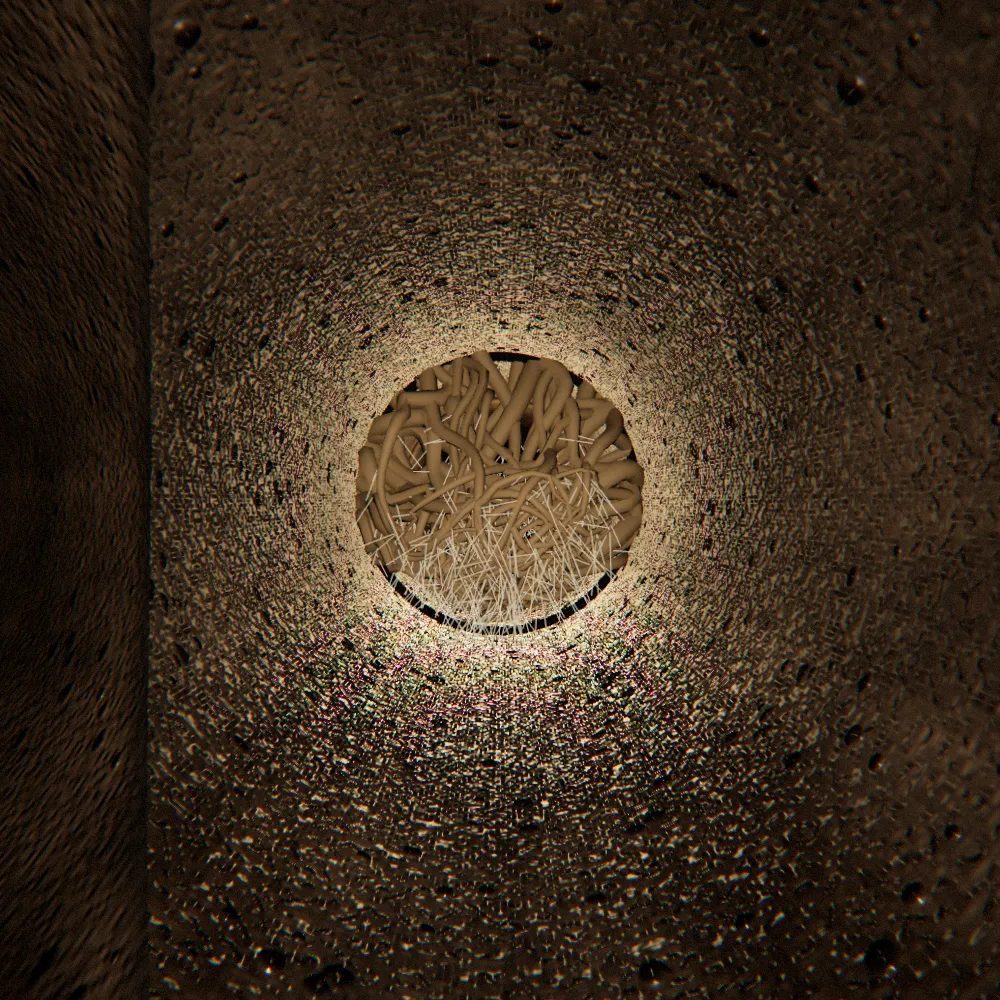
Roots go looking for moisture and nutrients, and a sewer line is a prime target, especially at joints, cracks and connections where moisture escapes. Once inside, they grow quickly into a web that catches grease, debris and waste. Left alone, that means a blocked line, a cracked pipe, or a collapse that needs digging up.
Rochester yards are full of mature trees whose roots spread far past the canopy. A tree 20 feet from your sewer line can still reach it.
How we remove them
We cut through and flush out the root mass with high-pressure water jetting, at up to 4,000 PSI, without damaging the pipe. The result is a clean pipe with its full diameter back. Then we run a camera through to check the condition of the line and recommend how to keep roots out.
Where roots have already damaged the pipe, we find the exact spot and recommend a targeted repair, which costs far less than replacing the whole sewer line.
Warning signs
Slow drains
Several drains running slow at once point to roots in the main line.
Gurgling
Bubbling or gurgling from toilets and drains means air is trapped behind a blockage.
Frequent clogs
Backups that return after plunging or snaking suggest roots catching debris.
Sewage smells
Foul smells near drains or in the yard can mean sewage leaking from damaged joints.
Soft spots in the yard
Sinkholes, soft ground or unusually green patches can signal a broken line underground.
Why roots keep coming back
Snaking only punches a hole through the root mass, and within weeks the roots grow back. Jetting removes the whole mass from the pipe walls. Combined with regular maintenance, that keeps roots under control.
Regular inspections
An annual camera inspection catches roots early, when treatment is simpler and cheaper.
Root barriers
Physical and chemical barriers along the line steer roots away from the pipe.
Smart planting
Know where your sewer line runs, and keep trees with aggressive roots at least 10 feet away.
Stop root damage before it spreads
Tell us what the drains are doing, or call 507-405-4538.